

Well, hello there. I hope that you are fabulously well and have had a great weekend. This week we are hearing from one of our key conservation partners, Conservation South Luangwa (CSL). Over to you Victoria Foord, Head of Development at CSL…
“If you spend time in South Luangwa, it is easy to fall in love with the obvious things first. The light through the winterthorn trees. The Luangwa River shifting with the seasons. Elephants appearing soundlessly out of the bush. Lions sleeping in the shade as though they have nowhere at all to be. That sense, always, that something remarkable might be just around the corner.
For many visitors, that is the South Luangwa they take home with them. But the wilderness people treasure here depends on another side of the story too: calls answered before dawn, teams deployed at short notice, and people working together across a vast and demanding landscape.
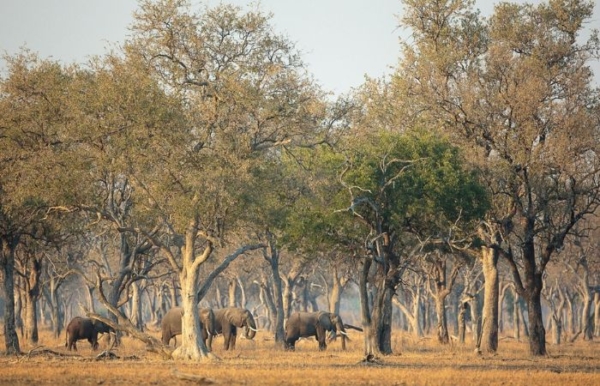
At Conservation South Luangwa (CSL), we have worked in partnership with Zambia’s Department of National Parks and Wildlife (DNPW) for over 20 years to help protect the 14,000km2 landscape that makes up the South Luangwa National Park and surrounding Game Management Areas along its eastern boundary.
People sometimes ask what a typical day in front-line conservation looks like here…the truth is that there is rarely such a thing.
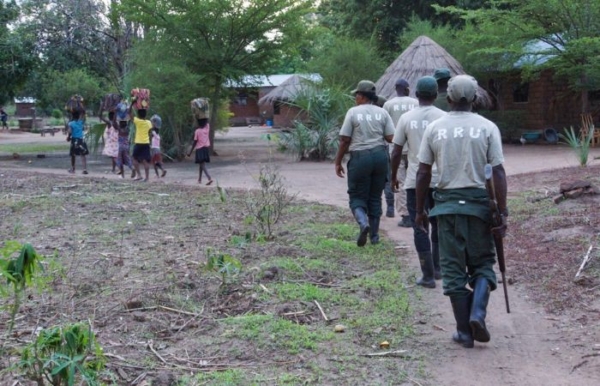
A day may begin with a call from the Control Room before sunrise: elephants have moved into a farming area overnight, and our Rapid Response Unit is needed before crop damage worsens and frustration can escalate into dangerous conflict. Within minutes, a team is on the road. By first light, scouts are on the ground speaking to farmers, reading the elephants’ movements and working to push them safely away before the situation escalates.
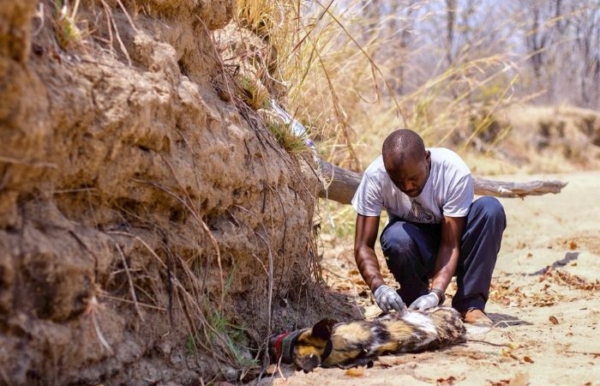
On another day, the call may be from a guide concerned about an injured animal spotted during a morning game drive with guests. Dr Mwamba Sichande, our wildlife vet, heads out knowing only that something is wrong and that time may matter. Sometimes it is a snare injury. Sometimes fallout from conflict. Sometimes simply the harsh unpredictability of life in the bush. These are never routine moments. They demand calm judgement, field skill and the ability to make good decisions quickly.
Elsewhere, over 100 community scouts supported by CSL are out on foot patrol across the protected area, including its most remote corners. They are scanning for signs of illegal activity, removing deadly wire snares, and maintaining a visible presence that helps deter would-be poachers. Above them, Jeremiah Daka Bwalya, our newly qualified pilot, may be scanning huge stretches of bush for signs that something is wrong: an unusual carcass, suspicious movement, smoke where there should not be smoke, or simply something on the ground that needs a closer look.

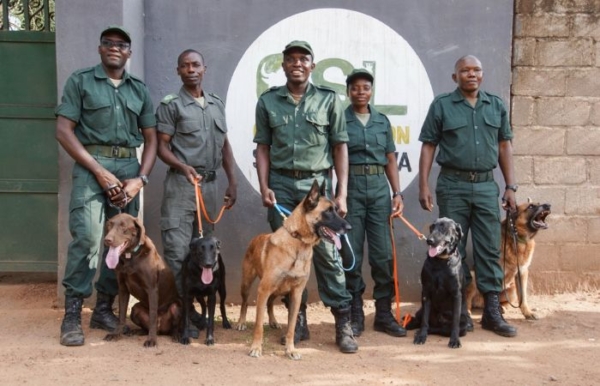
Godfrey Mwanza, who leads the South Luangwa K9 Unit, is part of another layer of protection: deploying highly trained working dogs and handlers in support of law enforcement operations, searches and follow-up work that require patience, discipline and trust between dog and handler. Like so much of conservation, it is specialised, practical work that tends to happen out of sight, but it plays a vital role in the wider effort.
Support from Robin Pope Safaris, as long-standing Luangwa Conservation & Community Fund members, as well as from guests who choose to support conservation through their travels, helps make all this work possible. It keeps vehicles moving, aircraft flying, teams equipped and experienced staff in place. Much of conservation is not dramatic from the outside, and can be easy to overlook, but it depends on this kind of practical support every single day.
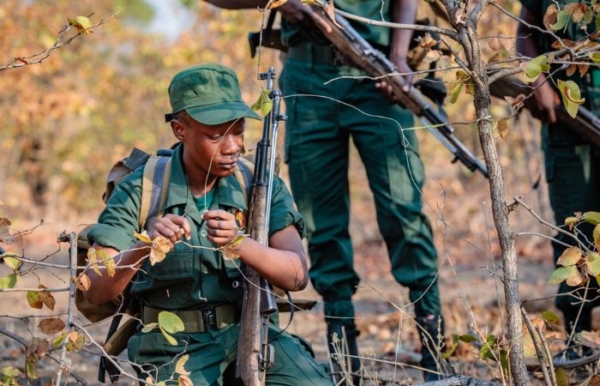
South Luangwa is rightly celebrated as one of Africa’s great safari destinations. But the landscape people come to experience does not remain wild by accident. It endures because of long-term commitment, practical fieldwork, and partnerships built over many years between conservation, government, communities and tourism.
That is one of the reasons tourism and conservation are so closely linked here. The beauty, richness and sense of wildness that bring people to Luangwa are inseparable from the work required to protect the landscape itself. When that support is strong, the benefits reach beyond wildlife to the people who live alongside it too.
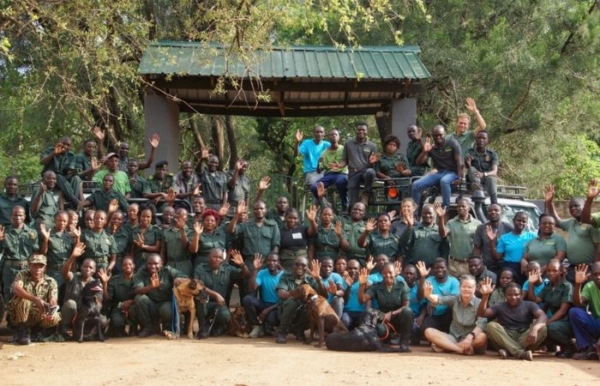
Looking back on 2025, what stands out most is not that the year was easy – it was not – but that the work continued. Calls still came in, teams still responded, and people kept showing up with skill, patience and determination.
Effective conservation is made up of many moments that are easy to miss. These quieter stories may sit behind the sightings and the sunsets, but they are part of what keeps South Luangwa wild.
Read more about CSL’s work: here.
Photo credits: Edward Selfe Photo Safaris, Chanda Mutuna, Samson Moyo, Bobby Jo Photography.”
Many thanks Victoria for sharing insights into the amazing work of CSL! We are deeply grateful for all your efforts.
On that note, we will end here for this week. Have a wonderful week ahead with plenty of smiles and laughter and don’t forget to look after each other.
